
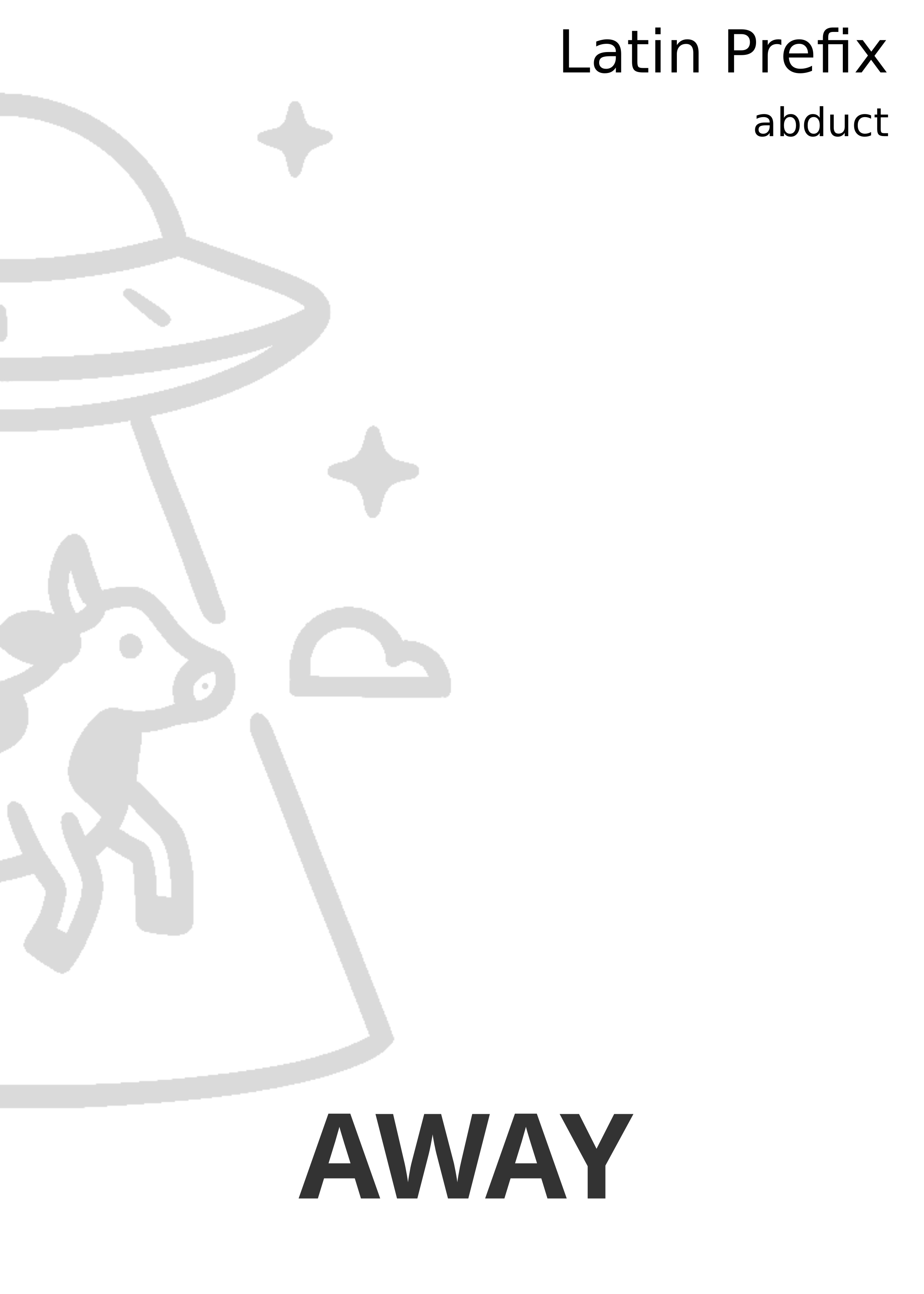
100 cards. 50 morpheme pairs. Each one illustrated — morpheme on one card, meaning revealed on its match. Here's a look at what's inside.
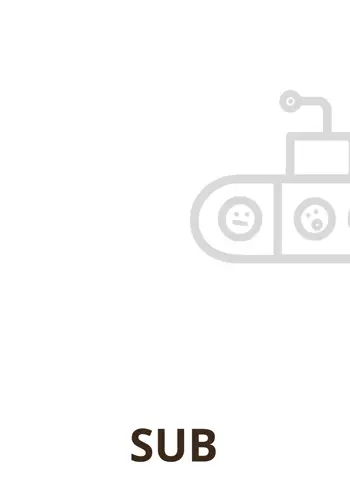
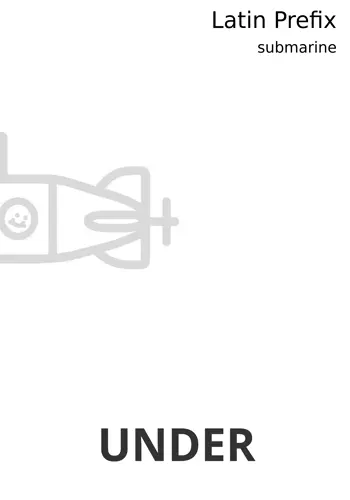
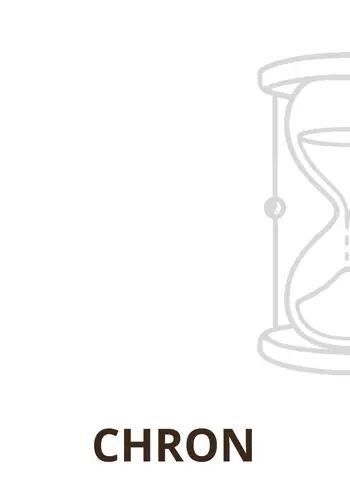
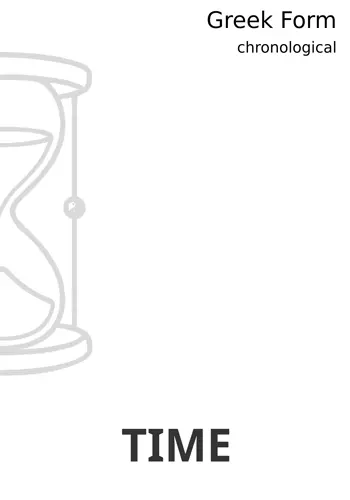

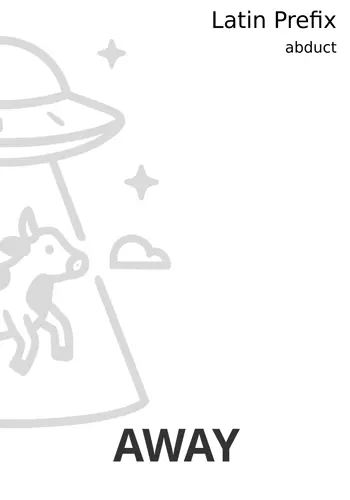
Anchor It pairs each morpheme — a prefix, root, or suffix — with a vivid illustration. Match the morpheme card to its meaning, and a shared image snaps the pair together in memory.
Spotting "aqua" in aquarium, aquatic, and aquifer becomes instinctive after just a few rounds.
Every card pair shares an illustration — the visual bridge that locks word and meaning together for good.
Memory Match, Go Fish, Charades, Draw Battle, and Guess the Morpheme — same deck, five different games.
Designed with dyslexia in mind. Tested across reading levels. Works in classrooms, kitchens, and everywhere in between.
Each card shows a morpheme — a word part that carries meaning. Chron. Aqua. Bi. Sub. The watermark illustration hints at what it means without giving it away.
The matching card reveals the meaning — time, water, two, under — with the same illustration completing the picture. When the pair clicks, so does the memory.
Orthographic mapping links spelling, sound, and meaning — turning every new word into a sight word over time.
Traditional reading methods were leaving a determined young student frustrated and disengaged. Rather than accept that, their literacy tutor started sketching visual cues — pairing word parts with pictures, turning abstract patterns into something you could hold in your hands.
What began as handmade flashcards became a full learning system. That collaboration became Human Aspire — rooted in empathy, creativity, and the belief that every reader deserves a path that works for them.
Anchor It is the card game that grew from those early sketches. It's been played at kitchen tables, in classrooms, at tutoring centers. Every deck carries that original intention: make reading feel like something worth doing.
See How to Play